- Showroom
All Vehicles
-
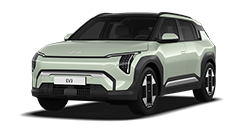 EV3
SV_26MY
EV3
SV_26MY
-
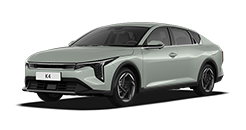 K4
CL4m_25MY
K4
CL4m_25MY
-
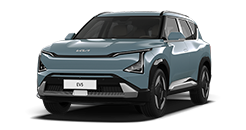 EV5
OVc_25MY
EV5
OVc_25MY
-
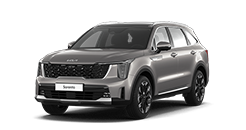 Sorento
MQ4_PE_24MY
Sorento
MQ4_PE_24MY
-
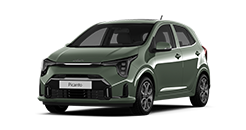 Picanto
JA_PE2_24MY
Picanto
JA_PE2_24MY
-
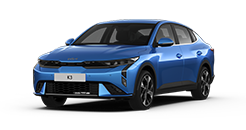 K3
BL7M_24MY
K3
BL7M_24MY
-
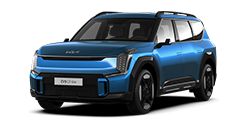 EV9
MV_24MY
EV9
MV_24MY
-
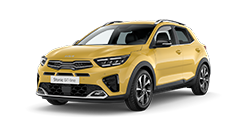 Stonic
YB_24MY
Stonic
YB_24MY
-
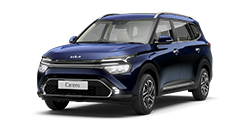 Carens
KY_23MY
Carens
KY_23MY
-
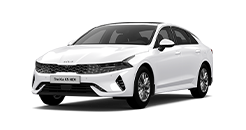 K5 Hybrid
DL3_HEV_23MY
K5 Hybrid
DL3_HEV_23MY
-
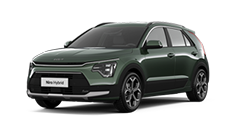 Niro Hybrid
SG2_23MY
Niro Hybrid
SG2_23MY
-
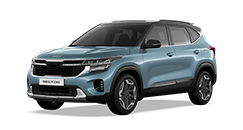 Seltos
SP2_23MY
Seltos
SP2_23MY
-
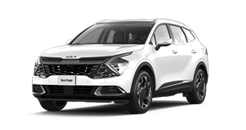 Sportage
NQ5e_23MY
Sportage
NQ5e_23MY
-
 Telluride
ON_PE_23MY
Telluride
ON_PE_23MY
-
 Carnival
KA4_22MY
Carnival
KA4_22MY
-
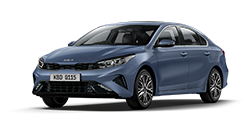 Cerato
BD_PE_22MY
Cerato
BD_PE_22MY
-
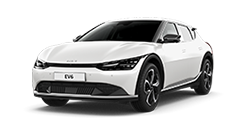 EV6
CV_22MY
EV6
CV_22MY
-
 K2700
PU_PE_22MY
K2700
PU_PE_22MY
-
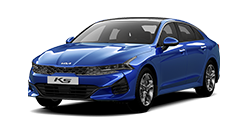 K5
DL3_22MY
K5
DL3_22MY
-
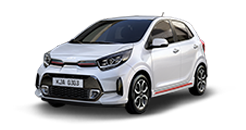 Picanto
JA_PE_22MY
Picanto
JA_PE_22MY
-
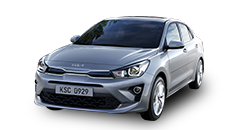 Rio
SC_22MY
Rio
SC_22MY
-
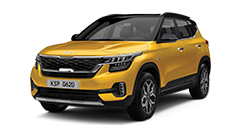 Seltos
SP2_22MY
Seltos
SP2_22MY
-
 Soluto
AB_22MY
Soluto
AB_22MY
-
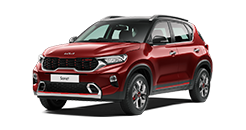 Sonet
QY_22MY
Sonet
QY_22MY
-
 Sorento
MQ4_22MY
Sorento
MQ4_22MY
-
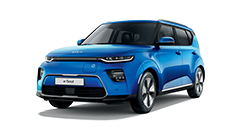 Soul EV
SOUL_EV_22MY
Soul EV
SOUL_EV_22MY
-
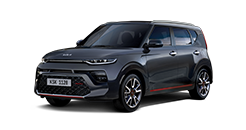 Soul
SK3_22MY
Soul
SK3_22MY
-
 Stinger
CK_22MY
Stinger
CK_22MY
-
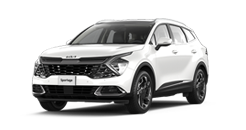 Sportage
NQ5_22MY
Sportage
NQ5_22MY
-
 Telluride
ON_22MY
Telluride
ON_22MY
-
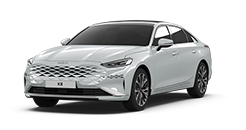 K8
GL3_22MY
K8
GL3_22MY
-
Sorento_RHD
MQ4_PE_24MY
-
Picanto_RHD
JA_PE2_24MY
-
Carens_RHD
KY_23MY
-
Carens_RHD
KY_22MY
-
 Carnival_RHD
KA4_22MY
Carnival_RHD
KA4_22MY
-
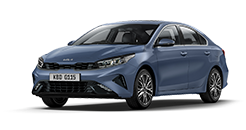 Cerato_RHD
BD_PE_22MY
Cerato_RHD
BD_PE_22MY
-
Picanto_RHD
JA_PE_22MY
-
Rio_RHD
SC_22MY
-
Sonet_RHD
QY_22MY
CarsSUV & MPV-
Sorento
MQ4_PE_24MY
-
Stonic
YB_24MY
-
Carens
KY_23MY
-
Seltos
SP2_23MY
-
Sportage
NQ5e_23MY
-
Telluride
ON_PE_23MY
-
Carnival
KA4_22MY
-
Seltos
SP2_22MY
-
Sonet
QY_22MY
-
Sorento
MQ4_22MY
-
Soul
SK3_22MY
-
Sportage
NQ5_22MY
-
Telluride
ON_22MY
-
Sorento_RHD
MQ4_PE_24MY
-
Carens_RHD
KY_23MY
-
Carens_RHD
KY_22MY
-
Carnival_RHD
KA4_22MY
-
Sonet_RHD
QY_22MY
Electric & HybridCommercial -
- Shopping Tools
- Service
Public Charging
FAQ
-
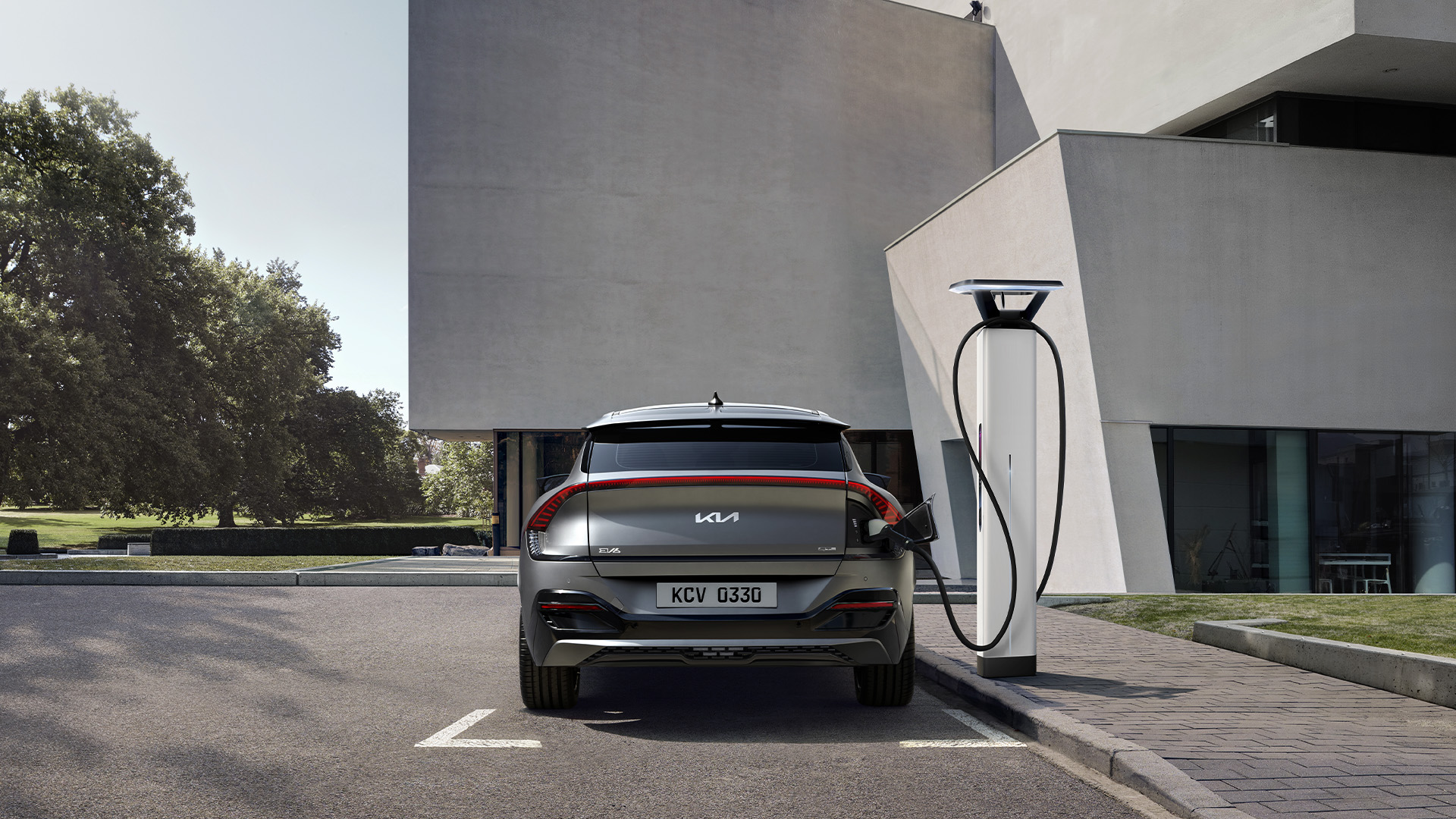
First, park your EV in a location that allows easy access to the charging port and open the port. Next, connect the appropriate charging connector to the port and select the desired charge amount. You can then pay for the charge using a credit card, debit card, or charging application. After the charging is complete, simply disconnect the connector and return it to its original place.
-
Kia EVs can be charged using both AC and DC charging methods. AC charging is available at home and public charging stations, while DC charging is only available at public charging stations due to its fast charging speed. Charger types may vary by region and country. For AC charging, Type 1/Type 2 chargers can be used, while CCS 1/CCS 2 chargers can be used for DC charging.
-
Public charging stations typically limit fast charging time to around 40 minutes because the charging speed slows down significantly once the battery reaches 80% or more. This helps multiple EV owners charge their vehicles conveniently while minimizing waiting times
-
Slow charging charges the battery at a constant rate slowly, but charging rate is cheaper and it helps prolong battery life though. On the other hand, fast charging charges the battery quickly, but the charging rate is more expensive and can affect the battery life if done frequently.
-
It is advised to avoid overcharging (more than 80%) and overdischarging (less than 20%) to prolong the battery's lifespan. Keeping the State of Charge (SoC) between 30 and 70% is also recommended for optimal battery usage.
-
The charging rate is determined by the rate per 1kW and may slightly differ based on the charging speed (slow/fast) and charging duration. Typically, slow charging is less expensive than fast charging.

- EV3_SV_26MY_LHD
- K4 CL4m_25MY
- EV5_OVc_25MY_LHD
- Sorento_MQ4_PE_24MY
- Picanto_JA_PE2_24MY
- K3_BL7M_24MY
- EV9_MV_24MY_LHD
- Stonic_YB_24MY
- Carens_KY_23MY
- K5_HEV_23MY
- Niro_SG2_23MY
- Seltos_SP2_23MY
- Sportage_NQ5e_23MY
- Telluride_ON_PE_23MY
- Carnival_KA4_22my
- Cerato_BD_PE_22MY
- EV6_CV_22MY
- K2700_PU_PE_22MY
- K5_DL3_22MY
- Picanto_JA_PE_22MY
- Rio_SC_22MY
- Seltos_SP2_22MY
- Soluto_AB_22MY
- Sonet_QY_22MY
- Sorento_MQ4_22MY
- Soul EV_22MY
- Soul_SK3_22MY
- Stinger_CK_22MY
- Sportage_NQ5_22MY
- Telluride_ON_22MY
- K8_GL3_22MY
- Sorento_ MQ4_PE_24MY_RHD
- Picanto_JA_PE2_24MY_RHD
- Carens_KY_23MY_RHD
- Carens_KY_22MY_RHD
- Carnival_KA4_22my_RHD
- Cerato_BD_PE_22MY_RHD
- Picanto_JA_PE_22MY_RHD
- Rio_SC_22MY_RHD
- Sonet_QY_22MY_RHD